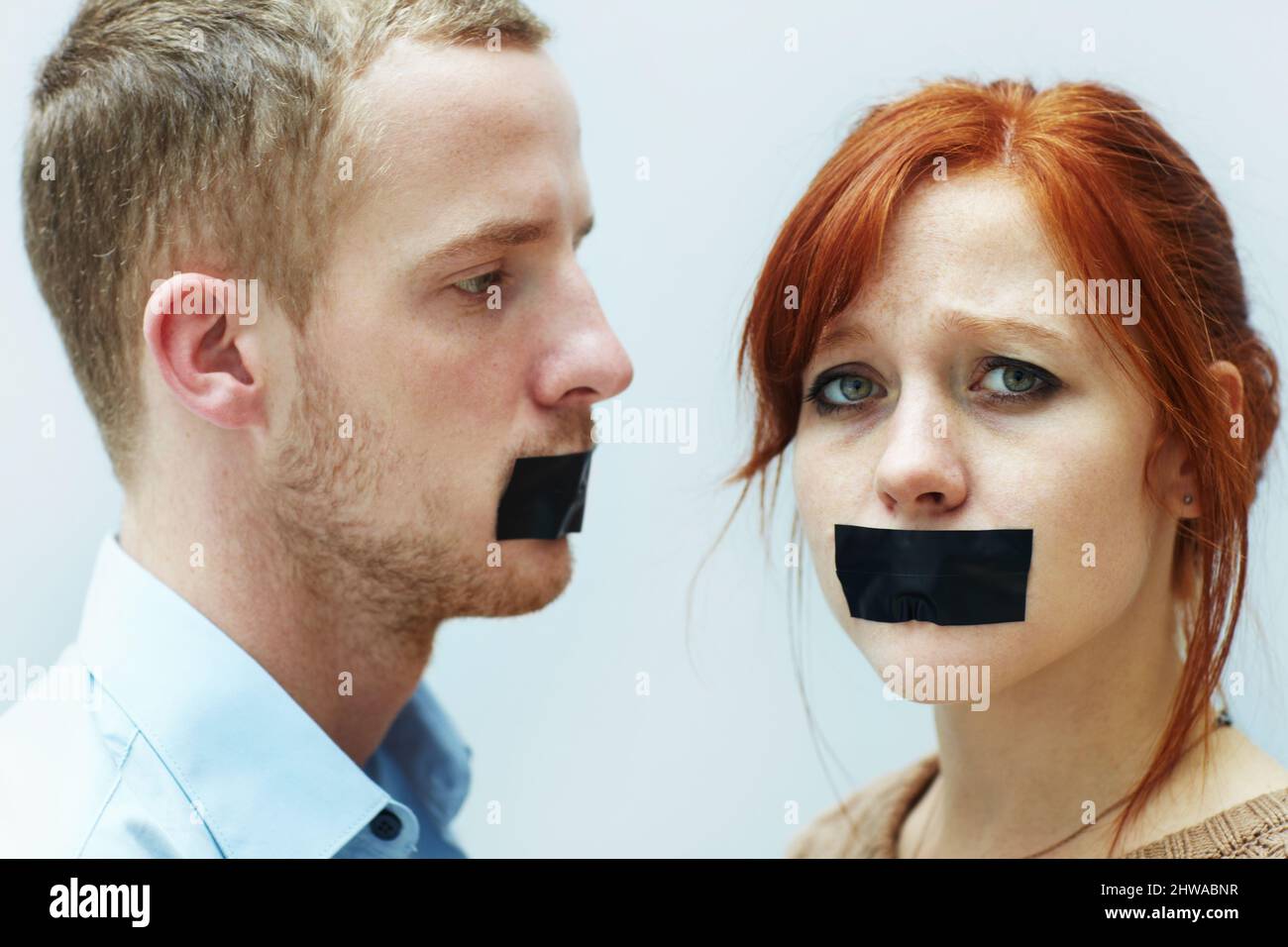
The worst kind of spotlight isn’t the one on the red carpet—it’s the glare of a million screens dissecting your face, your weight, your aging lines. For A-listers, fame doesn’t shield them from cruelty. In fact, it amplifies it. Behind the glitz, a silent epidemic rages: Hollywood’s elite are being psychologically terrorized by relentless online trolling focused on their appearance. What used to be whispered in tabloids is now screamed across comment sections, memes, and viral tweets. And the victims? Some of the most recognizable faces on the planet.
Celebrities aren’t just facing criticism—they’re enduring calculated, personal attacks that cross into cyberbullying and psychological warfare. The cruelty isn’t random. It’s targeted. It’s persistent. And it’s changing how stars see themselves—even when they’re holding Oscars.
The Ugly Side of Fame: When Applause Turns to Abuse
Fame used to mean admiration. Now, it often means exposure. With every premiere, paparazzi shot, or social media post, A-listers invite a global audience to judge their looks. And the verdict is often brutal.
Take Emma Stone. After appearing at a 2023 premiere, her outfit was mocked across X (formerly Twitter) as “maternity chic gone wrong.” Fans speculated she was pregnant—she wasn’t. The narrative spiraled into invasive body-shaming, with users dissecting her midsection in grainy photos. “It was surreal,” Stone later said in an interview. “I’m just trying to do my job, and suddenly I’m being bullied for something as basic as how I look in a dress.”
This isn’t isolated. Stars like Chris Hemsworth, Melissa McCarthy, and Zendaya have all faced waves of appearance-based trolling—Hemsworth for “looking too old” to play Thor, McCarthy for her weight, Zendaya for her nose, her skin tone, her hair texture.
The common thread? These attacks follow a script: isolate a physical trait, exaggerate it, meme it, share it. The goal isn’t critique—it’s humiliation.
How Trolling Has Evolved from Gossip to Psychological Warfare
In the '90s, celebrity bashing lived in supermarket tabloids. Today, it’s weaponized through social media algorithms that reward outrage and engagement. A single unflattering photo can spawn thousands of comments, memes, and reaction videos—often within minutes.
Consider the case of Florence Pugh. In 2023, a paparazzi photo of her wearing a sheer dress sparked a firestorm. Trolls claimed she was “attention-seeking” and “desperate.” Some fabricated narratives about her mental health. Others photoshopped her image into grotesque caricatures. The abuse was so severe that Pugh temporarily deactivated her Instagram.
“It’s not just mean comments,” she said in a Vogue feature. “It’s coordinated. It feels like there’s a sport to make you feel small.”
Platforms like X, Instagram, and TikTok have become battlegrounds where anonymity fuels vitriol. Unlike tabloids, which could be avoided, social media is inescapable—even for those who created it. When celebrities post, they’re inviting scrutiny. When they don’t, they’re accused of being “out of touch.” It’s a lose-lose scenario.
A-Listers Speak Out: Personal Stories of Bullying and Resilience
More stars are breaking silence—not for sympathy, but to expose the damage.

#### Scarlett Johansson: “They Called Me a Man” At the peak of her career, Johansson faced a years-long trolling campaign mocking her facial structure. Memes labeled her “man-faced,” “genderless,” and worse. “It wasn’t funny,” she told The Guardian. “It was dehumanizing. It made me question my reflection.”
She fought back by suing a deepfake porn site that used her likeness—winning a landmark settlement. But emotionally, the scars remain. “You can’t unsee what people say about you,” she admitted.
#### John Cena: “They Said I Looked Like a Baboon” Despite being one of WWE’s most beloved stars, Cena’s Hollywood career was met with brutal online mockery. Trolls compared his face to animals, criticized his jawline, and questioned his casting in dramatic roles. “I’ve been called every animal in the book,” Cena said on The Rich Eisen Show. “It’s not about looks—it’s about trying to erase your credibility.”
He now uses humor as armor. But behind the jokes? A man who admits to deleting apps after low moments.
#### Jameela Jamil: From Target to Advocate Jamil, known for her role in The Good Place, became a vocal critic of beauty standards after enduring years of body-shaming. “They’d say I was ‘too fat’ for TV, then turn around and say I was ‘too skinny’ the next week,” she recalled.
She founded the I Weigh movement to combat toxic comparisons. “When they attack your body, they’re trying to silence you,” she said. “I refuse to be erased.”
These stories aren’t outliers. They’re patterns.
The Psychological Toll: Anxiety, Therapy, and Quiet Breakdowns
Chronic online bullying doesn’t just sting—it erodes mental health. Studies show celebrities face higher rates of anxiety, depression, and body dysmorphia than the general population—often linked to sustained public scrutiny.
Leonardo DiCaprio, despite decades of acclaim, has admitted to therapy for self-image issues rooted in early fame. “When you’re told you’re ugly or overrated every day, it starts to feel true,” he said in a rare 2022 interview.
Others have taken drastic steps: - Selena Gomez deleted Instagram multiple times, citing mental health. - Tom Hardy sought anonymity by wearing masks in public appearances. - Lizzo hires social media managers specifically to filter out hate.
Therapists working with celebrities report a rise in patients seeking help for “digital trauma”—a term describing PTSD-like symptoms from prolonged online abuse. Symptoms include hypervigilance, insomnia, and emotional numbing.
The irony? Many trolls claim they’re “just joking.” But when the joke never stops, it stops being funny.
Why the Industry Enables the Abuse
Hollywood isn’t innocent. Studios and PR teams often amplify appearance-based narratives for publicity. Think of the endless “glow-up” arcs, weight-loss headlines, or “who wore it better” segments. These normalize the idea that a star’s value is tied to their looks.
Take the media frenzy around Renée Zellweger’s changing face. Instead of focusing on her Oscar-winning performance in Judy, headlines fixated on plastic surgery rumors. “It reduced my life’s work to a nose job,” she said.
Even red carpet commentary is complicit. TV segments dissecting “worst dressed” lists reinforce the idea that celebrities are costumes to be judged.
And when stars fight back? They’re labeled “oversensitive” or “divas.”
How Stars Are Fighting Back—And Winning
The tide is slowly turning. Celebrities are using their platforms to expose abusers, demand accountability, and rebuild narratives.

#### Legal Action Several stars are suing for defamation and non-consensual image use. In 2023, a UK court awarded model and actress Cara Delevingne £120,000 after a website published manipulated photos claiming she was “addicted to surgery.”
#### Platform Accountability Zendaya, partnered with anti-cyberbullying orgs, pressured Instagram to improve AI filters for hate speech. The platform now flags 90% of abusive comments before they’re seen.
#### Public Shaming of Trolls After a wave of racist trolling, Riz Ahmed responded by doxxing a user who called him a “terrorist.” “You think anonymity protects you?” he wrote. “Not anymore.” The account was suspended within hours.
#### Mental Health Advocacy Gal Gadot launched a mental wellness fund for entertainers after struggling with postpartum anxiety and online hate. “You don’t have to suffer in silence,” she said.
The Bigger Picture: What
This Means for Culture
Hollywood trolling isn’t just about celebrities. It reflects a culture obsessed with perfection, youth, and control. When we mock a star for aging, gaining weight, or changing their style, we’re enforcing unrealistic standards that trickle down to everyday people.
Teenagers compare themselves to filtered images of stars. Parents feel pressured to “look good” at school drop-offs. The normalization of body-shaming in celebrity spaces fuels real-world harm.
But change is possible. Every time a star speaks out, shares their therapy journey, or refuses to apologize for their body, they challenge the status quo.
Reclaiming Power: What Fans Can Do
You don’t have to be famous to make a difference. Here’s how to be part of the solution: - Call out hate comments—don’t just scroll past. - Support body-positive stars with likes, shares, and kind messages. - Unfollow accounts that thrive on celebrity shaming. - Talk to kids about media literacy and digital empathy. - Demand better from media outlets—stop funding gossip sites that profit from cruelty.
The goal isn’t to cancel criticism. It’s to separate critique from cruelty. To allow stars—and all of us—to be human.
Hollywood trolling isn’t a tabloid joke. It’s a mental health crisis disguised as entertainment. The A-listers speaking out aren’t seeking pity. They’re demanding dignity. And they’re proving that even under the harshest glare, resilience can outshine hate.
Stand with them. Call out the cruelty. And remember: no one’s appearance is public property.
FAQ
Why do celebrities get bullied more than regular people? Because their images are public, scrutinized by millions, and often distorted by media narratives. Fame amplifies visibility—and vulnerability.
Can online trolling lead to mental health issues? Yes. Studies link chronic cyberbullying to anxiety, depression, PTSD, and body dysmorphic disorder—especially in high-pressure industries like entertainment.
Do celebrities ever respond to trolls? Some do—publicly or legally. Others block, report, or avoid social media entirely. Many hire teams to manage their online presence and filter abuse.
Is appearance-based trolling illegal? It can be, if it involves harassment, threats, or non-consensual deepfakes. Several celebrities have won lawsuits over abusive content.
How can fans help stop celebrity bullying? By reporting hate, supporting positive narratives, and refusing to engage with or share harmful content.
Are social media platforms doing enough? Not yet. While AI moderation has improved, many abusive posts still slip through. Pressure from celebrities and users is pushing platforms to act.
What’s the difference between criticism and trolling? Criticism is constructive and respectful. Trolling is personal, repetitive, and intended to humiliate—not to inform or discuss.
FAQ
What should you look for in Hollywood Trolling Horror: A-Listers Reveal Relentless Bullying Over Loo? Focus on relevance, practical value, and how well the solution matches real user intent.
Is Hollywood Trolling Horror: A-Listers Reveal Relentless Bullying Over Loo suitable for beginners? That depends on the workflow, but a clear step-by-step approach usually makes it easier to start.
How do you compare options around Hollywood Trolling Horror: A-Listers Reveal Relentless Bullying Over Loo? Compare features, trust signals, limitations, pricing, and ease of implementation.
What mistakes should you avoid? Avoid generic choices, weak validation, and decisions based only on marketing claims.
What is the next best step? Shortlist the most relevant options, validate them quickly, and refine from real-world results.
